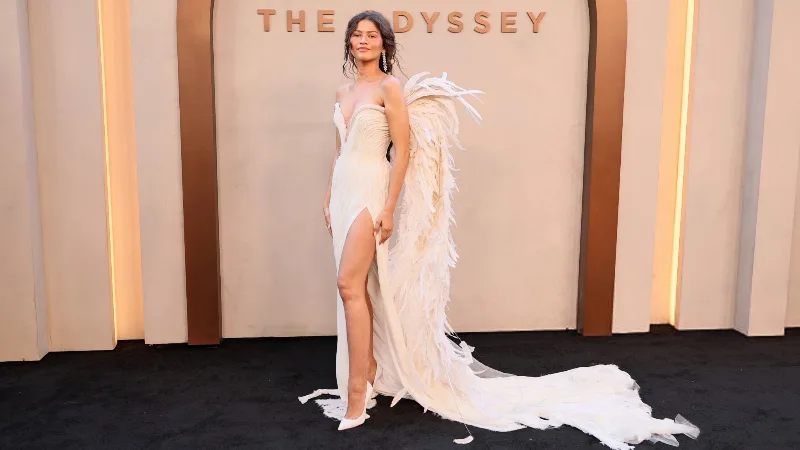
The summer jersey is more than a kit

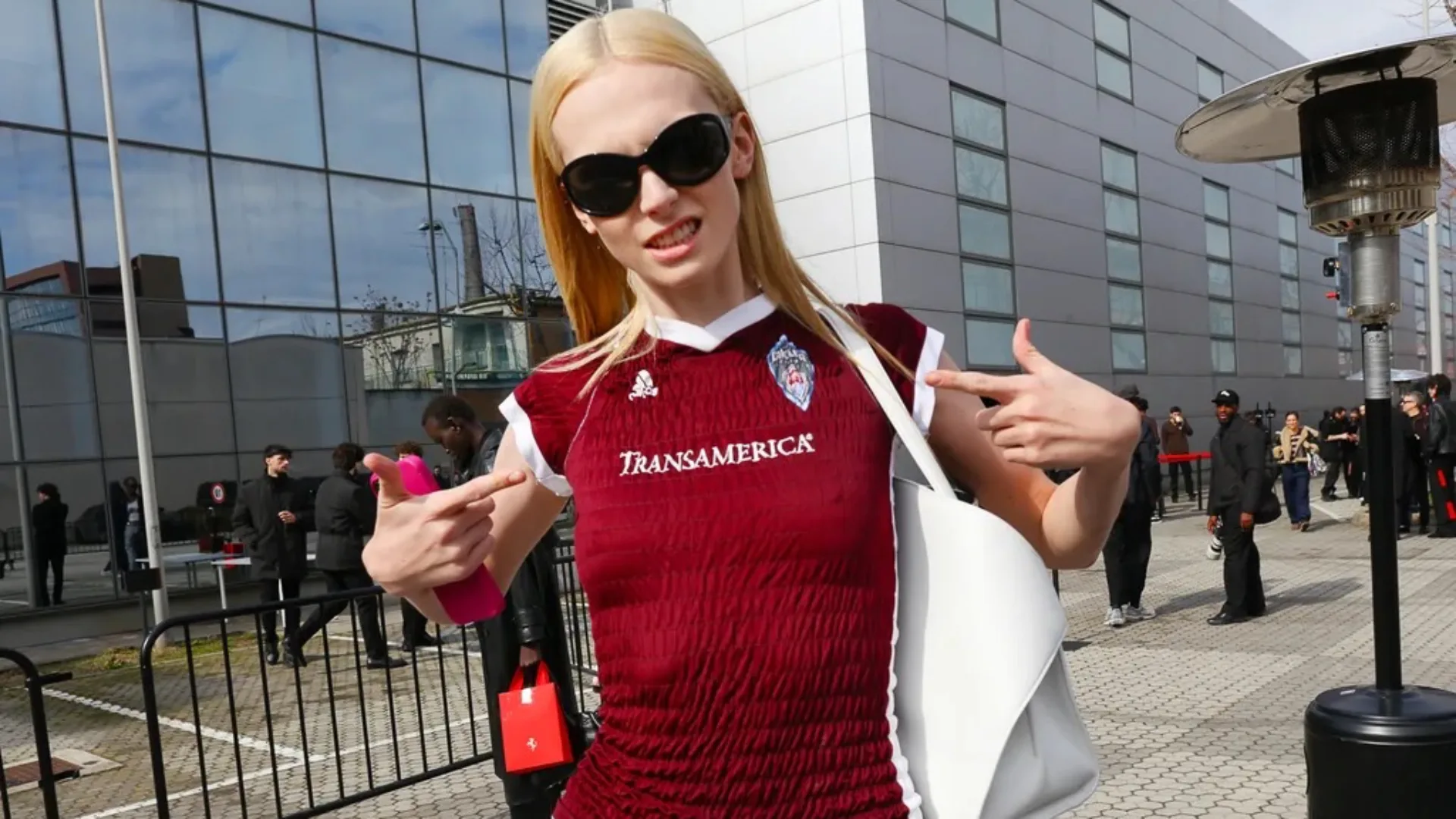
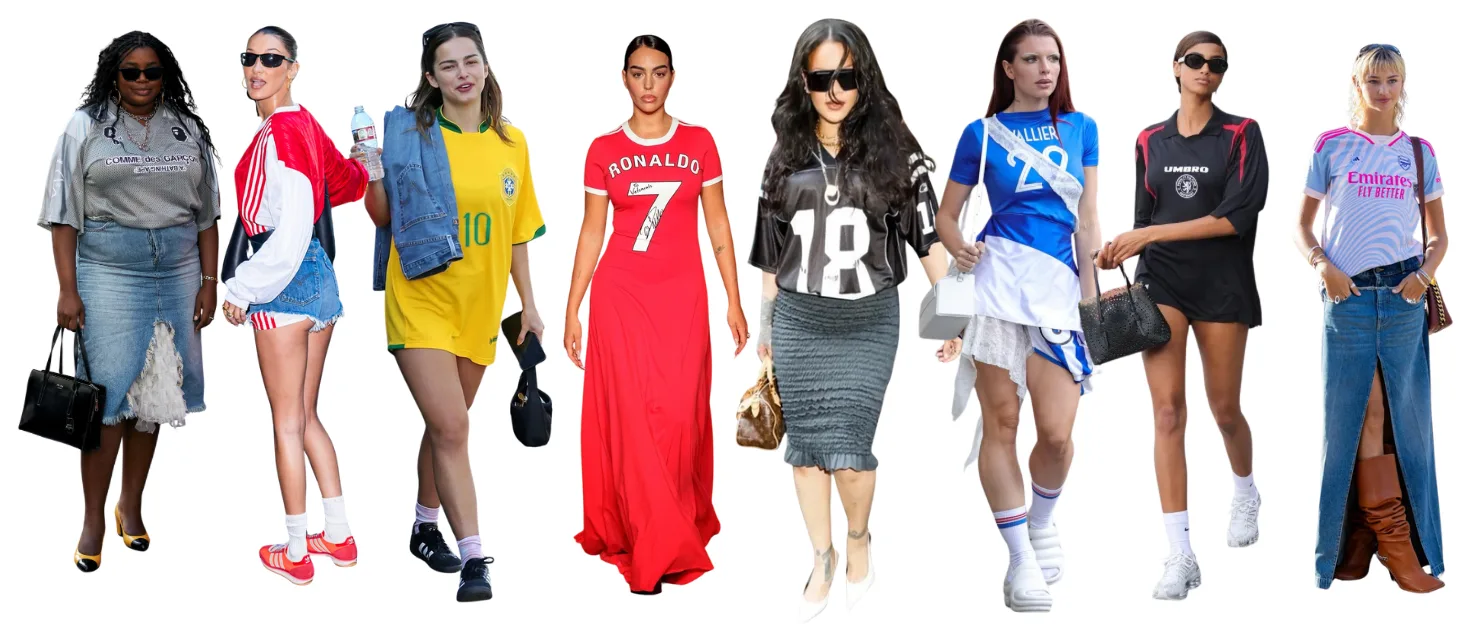
The most important garment this summer is neither the Tiffany-blue sequin top nor the polka-dot skirt: it's the football jersey.
In a time when much divides us, few garments are worn by as many different groups as the football jersey. Because this is exactly what the jersey represents: community. Whether you bought your favorite player's shirt on the beach down south, picked it up at the supporter shop before a match, inherited it from someone you know, or invested in a garment inspired by football's aesthetic, you're part of the club this summer.
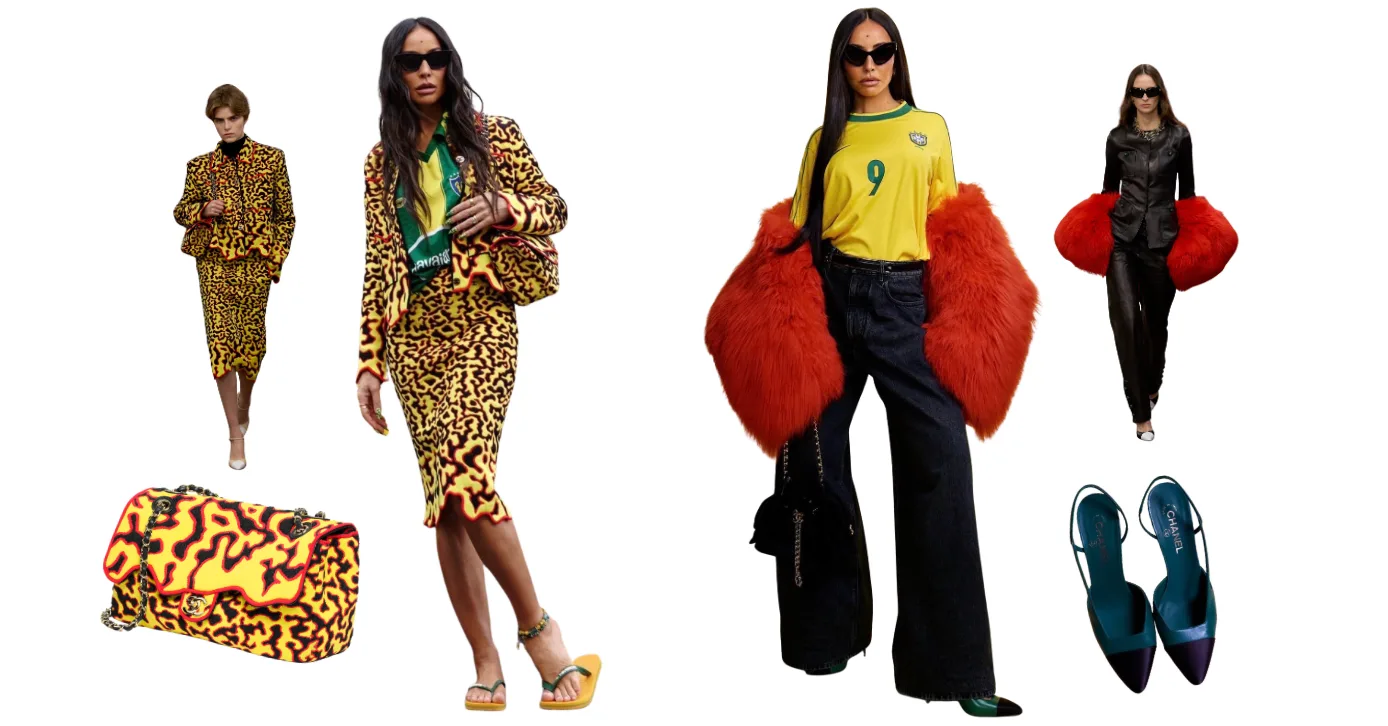
The football jersey itself is not a trend. It has existed as long as the ball has rolled on grass. What has changed, however, is who wears it and where. In recent years, the jersey has moved far beyond the stadium gates and into street fashion, helped along by trends like blocecore and a growing interest in the sport's visual language. Today it's just as likely to be worn at a festival, in the city, or at a summer party as on the terraces.
From terrace to street
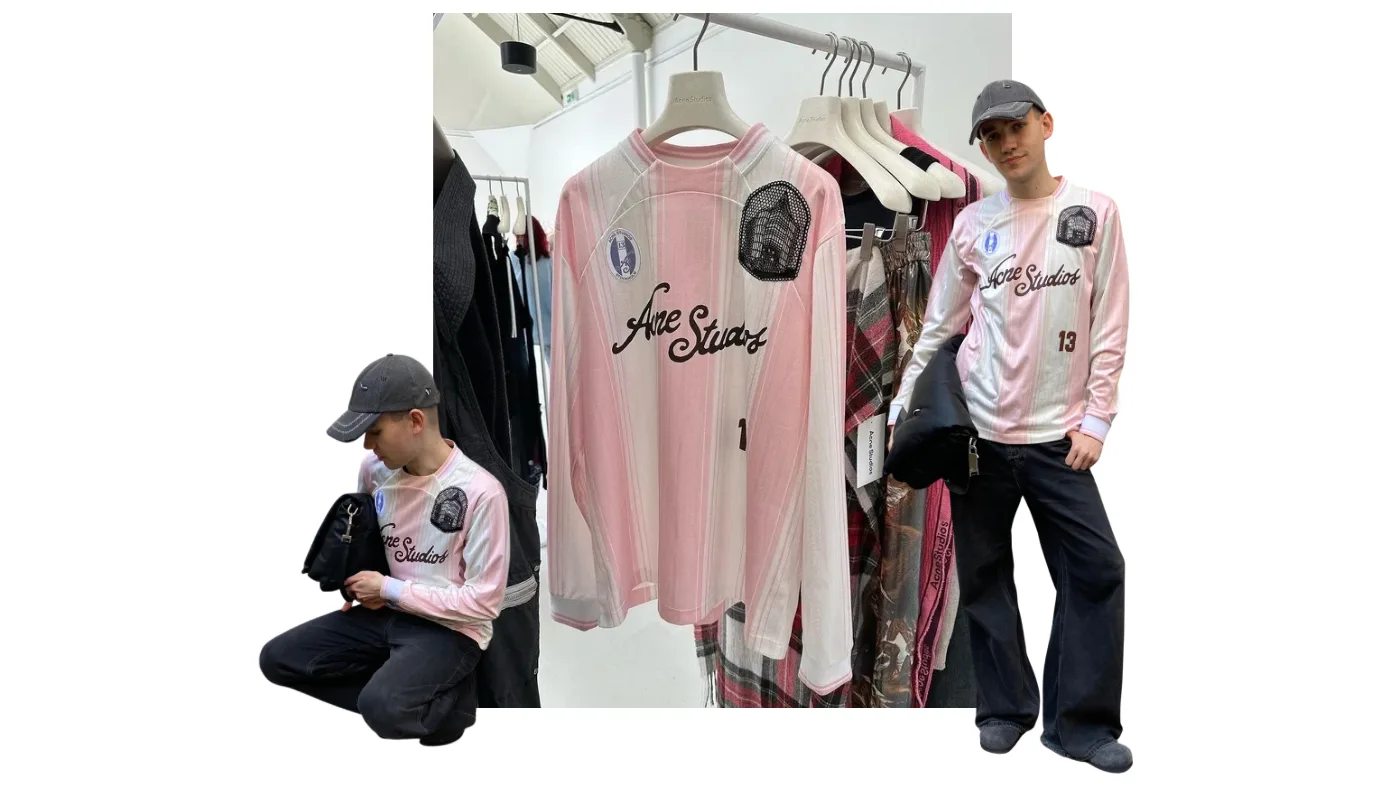
It's not just the local pub that wants to profit from the World Cup matches. Almost every fashion house and high-street store wants a piece of the cake. Despite having grown up in a football-crazy family, I've never shared that interest. Still, something made me stop in my tracks when Acne Studios launched their own interpretation of the football jersey in 2024. I was just going to "pop in and look" at the store on Rue Saint-Honoré. A FaceTime call with an excited mom, the classic "it's the last one in Paris" from the sales associate, and a few bills later, it was mine.
Perhaps this is exactly why fashion houses have embraced the expression so wholeheartedly. The football jersey is one of the few garments that is both immediately recognizable and filled with cultural meaning. Today it's worn just as much by people who have never watched a full match as by those who follow the sport religiously.
For the fashion industry, football represents far more than ninety minutes on the pitch. The sport comes with a visual universe already charged with identity, nostalgia, and belonging. In recent years, several fashion houses have explored the expression on their own terms. Acne Studios gave the football jersey a luxurious treatment, while brands like Andersson Bell, GAP, Han Kjøbenhavn, Push Button, and Jaded London have drawn inspiration from everything from sponsor logos and kit design to technical materials and supporter culture.
New forms of an old jersey
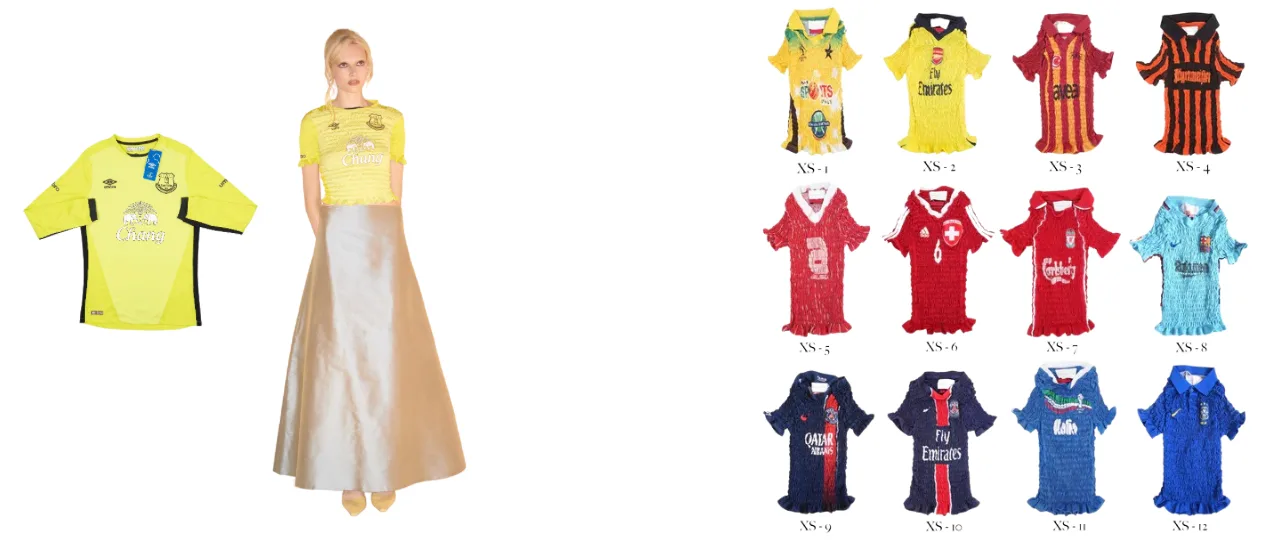
Other designers have found innovative methods for transforming the garment. American designer Conner Ives, known for creating new garments from recycled materials, released his "Late Capitalism" S/S 2024 collection, fronted by Alex Consani, digitally in 2023. In the collection's 17th look, Consani wore a reconstructed Everton kit from 2016-17, transformed into a short, body-hugging top through Ives' signature ruching technique. The style became so popular that it outlived the usual seasonal fashion cycle and is still available on the website. The selection varies, as the t-shirts are made from deadstock kits found around the UK.
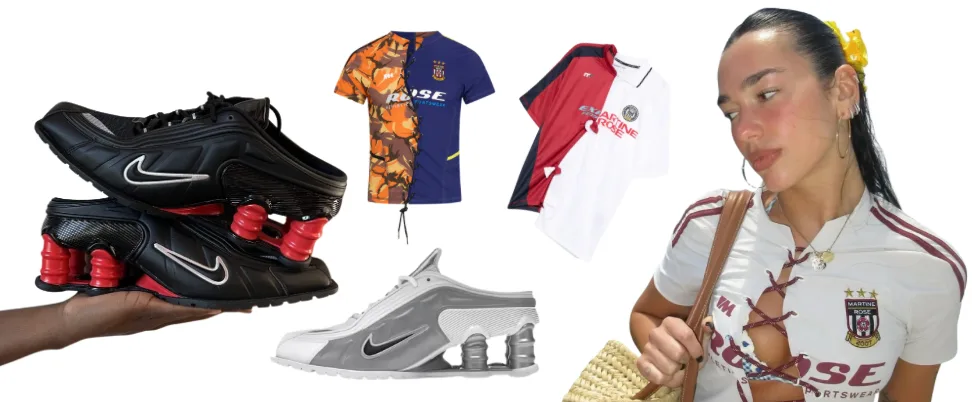
Few designers have been as central to the meeting of football and fashion as Martine Rose. She is known for her unique approach to modern menswear and sport, especially football. Through several collaborations with Nike, the British designer has put her stamp on the sport through reinterpretations of kits and various viral mule sneakers based on Nike's "Shox" model. Like Ives, she has also found an exciting method for transforming the jersey style. She has designed football-inspired tops with both short and long sleeves. The most important detail, however, is the lacing that runs across the top.
When sportswear brands become fashion players
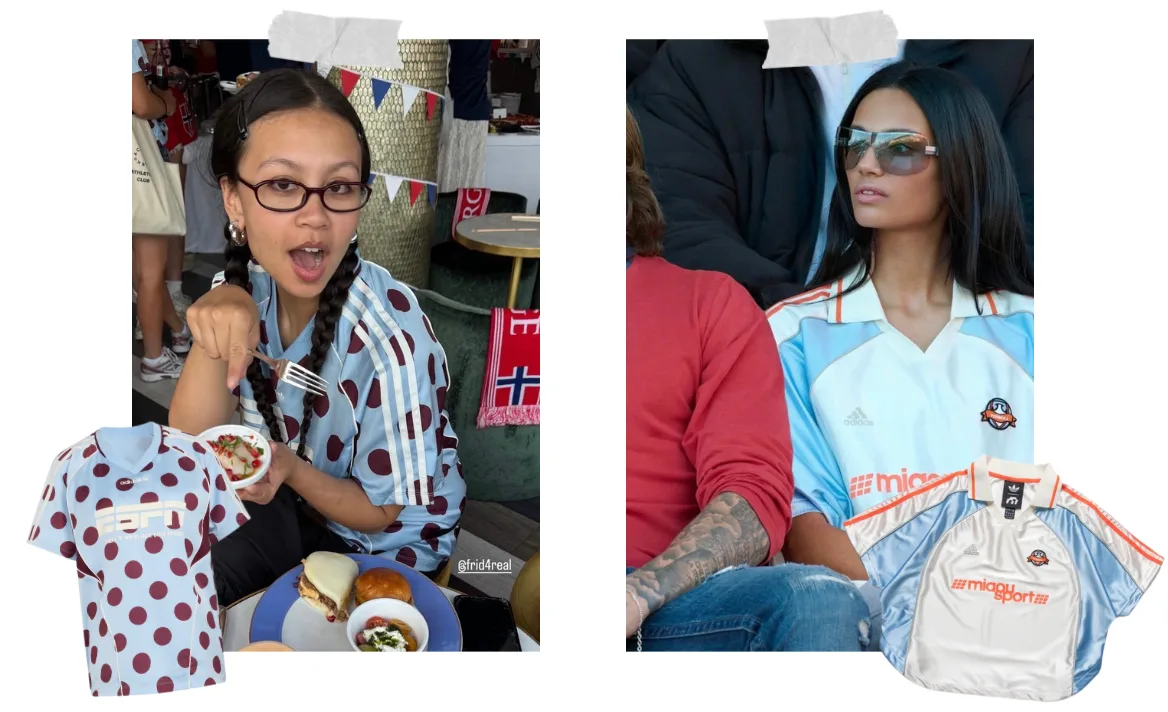
It's not just independent London-based designers creating new spins on football's aesthetic. Sports giant Adidas sells classic kits from every country, but the fashion movement happening outside the arena is not unfamiliar to them. They have several products they describe as "designed for fashion-conscious fans." Among them, an asymmetric off-shoulder jersey for various national teams, a polka-dot t-shirt in different colors, and design collaborations with Gen Z brands like Miaou and BAPE.
The football jersey at home
In Norway too, football aesthetics have found their way into new environments. ELLE Norway's collaboration with Everyday Social Gay Club let the catwalk meet artificial turf, while Holzweiler has, over several years, built a bridge between fashion and football through its collaboration with FC Oslo. Meanwhile, grocery giant Kiwi brought the expression into the workplace with its own World Cup jerseys for employees. These examples show how football's visual language today extends far beyond the stadium gates.
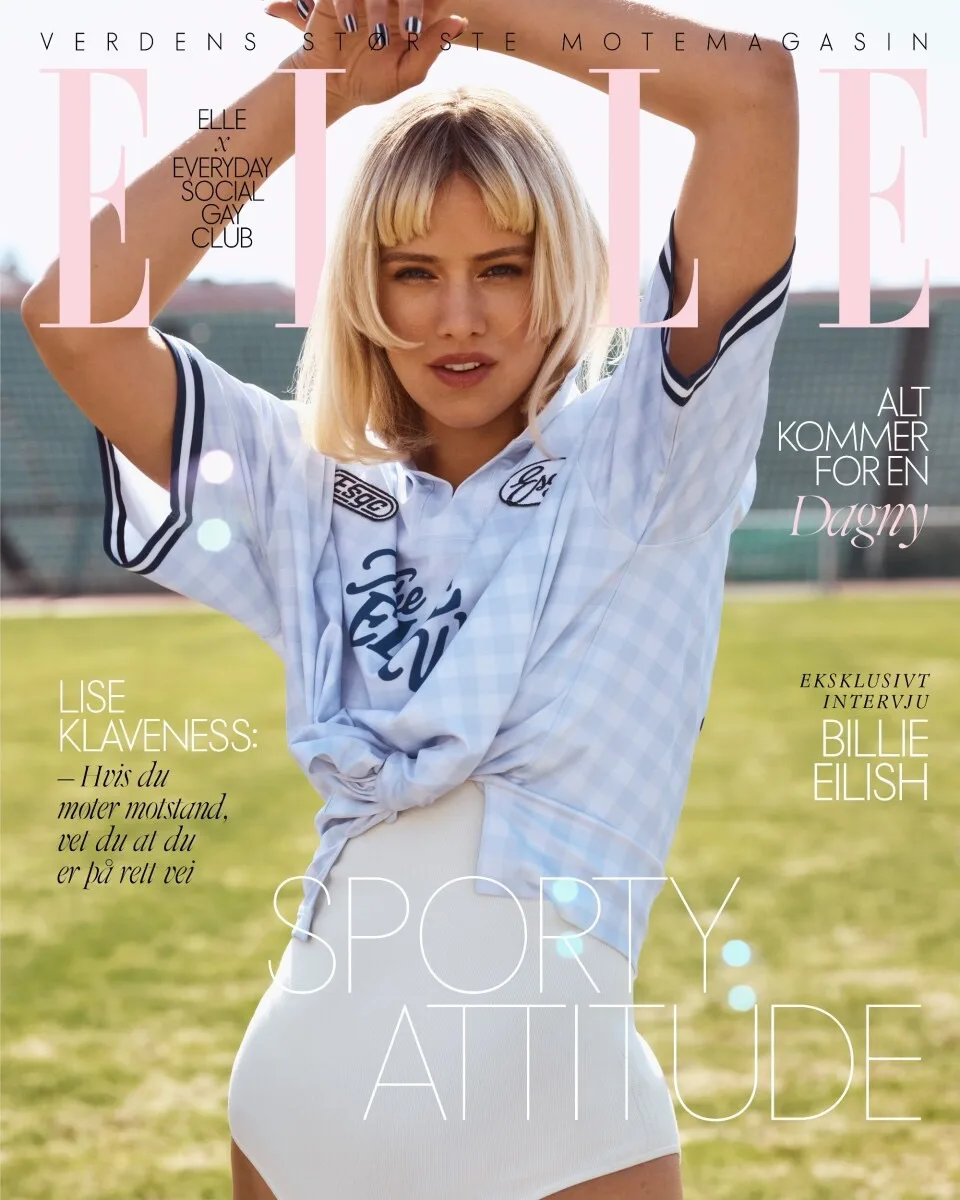
The football jersey has moved from the terraces to become a cultural language in itself. It's no longer used just to show which club you belong to, but to express a broader sense of identity, style, and belonging in our time. At the intersection of fashion, sport, and popular culture, it has taken on a new role as one of summer's clearest expressions of how clothing today is as much about identity as it is about aesthetics.